
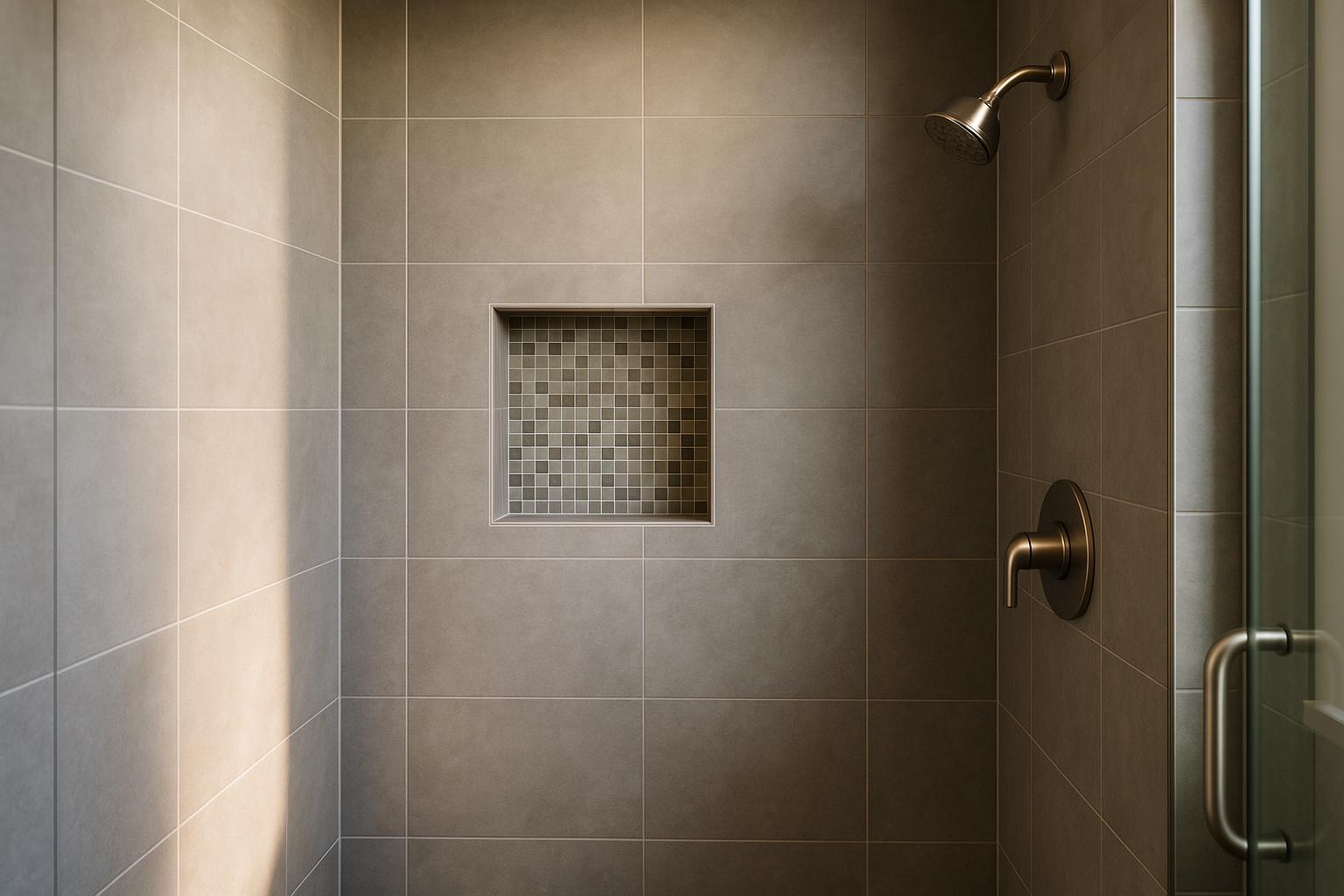
Why Tile Selection Matters More Than You Think
When planning a bathroom renovation, most homeowners spend a lot of time thinking about vanities, fixtures, and paint colors. But tile is arguably the single most impactful decision you'll make. It covers more surface area than any other material in the room, it sets the overall tone and style, and — perhaps most importantly — it needs to hold up in a wet, humid environment for years to come.
Here in Miami Lakes, our subtropical climate adds an extra layer of consideration. High humidity, warm temperatures, and the occasional tropical storm mean your bathroom tile needs to be more than just pretty. It needs to perform. Let's walk through the key factors every homeowner should consider before committing to a tile choice.
Understanding the Most Common Tile Materials
Not all tiles are created equal. Here's a breakdown of the most popular options we install in bathroom renovations and what makes each one unique.
Ceramic Tile
Ceramic is one of the most popular and budget-friendly tile options for bathrooms. It's made from natural clay that's fired in a kiln, and it comes in an enormous range of colors, patterns, and sizes. Ceramic is easy to clean, resistant to moisture when properly glazed, and works well on both walls and floors.
The downside? Standard ceramic tile can chip more easily than some alternatives, and unglazed ceramic is more porous, which means it can absorb water over time if not sealed.
Porcelain Tile
Porcelain is technically a type of ceramic, but it's fired at higher temperatures, making it denser and less porous. This is a major advantage in South Florida bathrooms where humidity is a constant companion. Porcelain tile absorbs less than 0.5% of water, making it an excellent choice for shower walls, floors, and even outdoor spaces.
Porcelain can also mimic the look of natural stone, wood, or concrete — giving you high-end aesthetics without the maintenance headaches.
Natural Stone Tile
Marble, travertine, and slate bring undeniable luxury to a bathroom. If you're going for a spa-like feel in your Miami Lakes home, natural stone can deliver that wow factor. However, stone requires regular sealing to prevent staining and water damage, and it tends to be more expensive both in materials and installation.
Glass Tile
Glass tile is most commonly used as an accent — think shower niches, backsplashes, or decorative borders. It reflects light beautifully and can make a small bathroom feel larger and brighter. It's non-porous and resistant to mold and mildew, which is a real plus in our humid climate. However, glass tile is slippery when wet, so it's generally not recommended for floors.
Choosing Tile for Different Areas of the Bathroom
One of the biggest mistakes we see homeowners make is choosing the same tile for every surface. Different areas of the bathroom have different needs.
Shower Walls and Floors
Your shower is the wettest zone in the bathroom, so slip resistance and low porosity are critical. We typically recommend porcelain or ceramic tile with a textured or matte finish for shower floors. Larger format tiles on shower walls mean fewer grout lines, which means less maintenance and a cleaner look.
Bathroom Floor
For the main bathroom floor, you want something durable, water-resistant, and slip-resistant. Porcelain tile is the gold standard here. Many of our clients in Miami Lakes love the look of wood-grain porcelain planks — they get the warmth and style of hardwood without worrying about water damage.
Accent Walls and Niches
This is where you can have fun. Mosaic tiles, patterned cement-look tiles, or glass accents can add personality and visual interest. An accent wall behind the vanity or inside a shower niche is a great way to incorporate a bold design choice without overwhelming the space.
Size and Layout: Small Details That Make a Big Difference
Tile size affects how your bathroom feels. Large-format tiles (12x24 inches or bigger) create a seamless, modern look and make small bathrooms appear more spacious because there are fewer grout lines breaking up the visual space. Smaller mosaic tiles add texture and detail but work best as accents rather than covering entire walls or floors.
Layout patterns also matter. A simple straight lay is clean and timeless. A herringbone or chevron pattern adds movement and sophistication. A staggered brick pattern strikes a balance between modern and classic. We always encourage homeowners to think about the overall design direction before committing to a layout.
Color Considerations for South Florida Homes
Miami Lakes homeowners tend to gravitate toward light, airy color palettes — and for good reason. Whites, soft grays, beiges, and cool blues reflect natural light and create a refreshing, spa-like atmosphere that complements our tropical surroundings.
That said, don't be afraid of contrast. A dark charcoal floor paired with bright white walls can look stunning. Deep navy or emerald green accent tiles can add drama without making the space feel closed in. The key is balance.
- Small bathrooms: Stick to lighter tones and larger tiles to maximize the sense of space.
- Large bathrooms: You have more freedom to experiment with bold patterns, darker colors, and mixed materials.
- Guest bathrooms: Neutral, timeless choices tend to appeal to a wider range of tastes and support resale value.
Don't Forget About Grout
Grout might seem like an afterthought, but it plays a huge role in both the look and longevity of your tile installation. In a humid environment like ours, using a high-quality, mold-resistant grout is essential. Epoxy grout is more expensive than standard cement grout, but it's waterproof, stain-resistant, and far easier to maintain — making it a smart investment for any bathroom renovation.
Grout color also affects the overall aesthetic. A matching grout color creates a seamless, uniform look. A contrasting grout color highlights the tile pattern and adds visual interest. Both approaches work — it just depends on the style you're going for.
Work With a Team That Knows the Local Climate
Choosing the right tile is only half the equation. Proper installation is what ensures your bathroom looks great and holds up over time. Waterproofing membranes behind shower tile, correct substrate preparation, and appropriate adhesive selection all matter — especially in South Florida where moisture and heat are constant factors.
At Cherrywood Bathroom Renovation, we've helped homeowners throughout Miami Lakes, Hialeah, and surrounding communities transform their bathrooms with tile selections that are both beautiful and built to last. We guide our clients through every decision, from material selection to layout design, so the finished result exceeds expectations.
Ready to Start Your Bathroom Tile Project?
If you're planning a bathroom renovation and feeling overwhelmed by tile choices, you're not alone. The good news is that with a little guidance, you can find the perfect combination of style, durability, and budget that works for your home. Reach out to our team at Cherrywood Bathroom Renovation for a consultation, and let's start turning your vision into reality.